
Dining Etiquette Around the World: What Every Traveler Should Know Before They Sit Down
One of the best things about traveling is sitting down to eat somewhere completely different from home. Different ingredients, different cooking styles, different ways of sharing a meal. But dining customs vary more than most travelers expect, and showing up without knowing the basics can lead to awkward moments, unintended offense, or simply missing out on something wonderful.
You don't need to memorize a rulebook before every trip. But knowing a few key things about how meals work in your destination can make a real difference to your experience. Here's a country-by-country look at the dining customs that matter most for travelers.
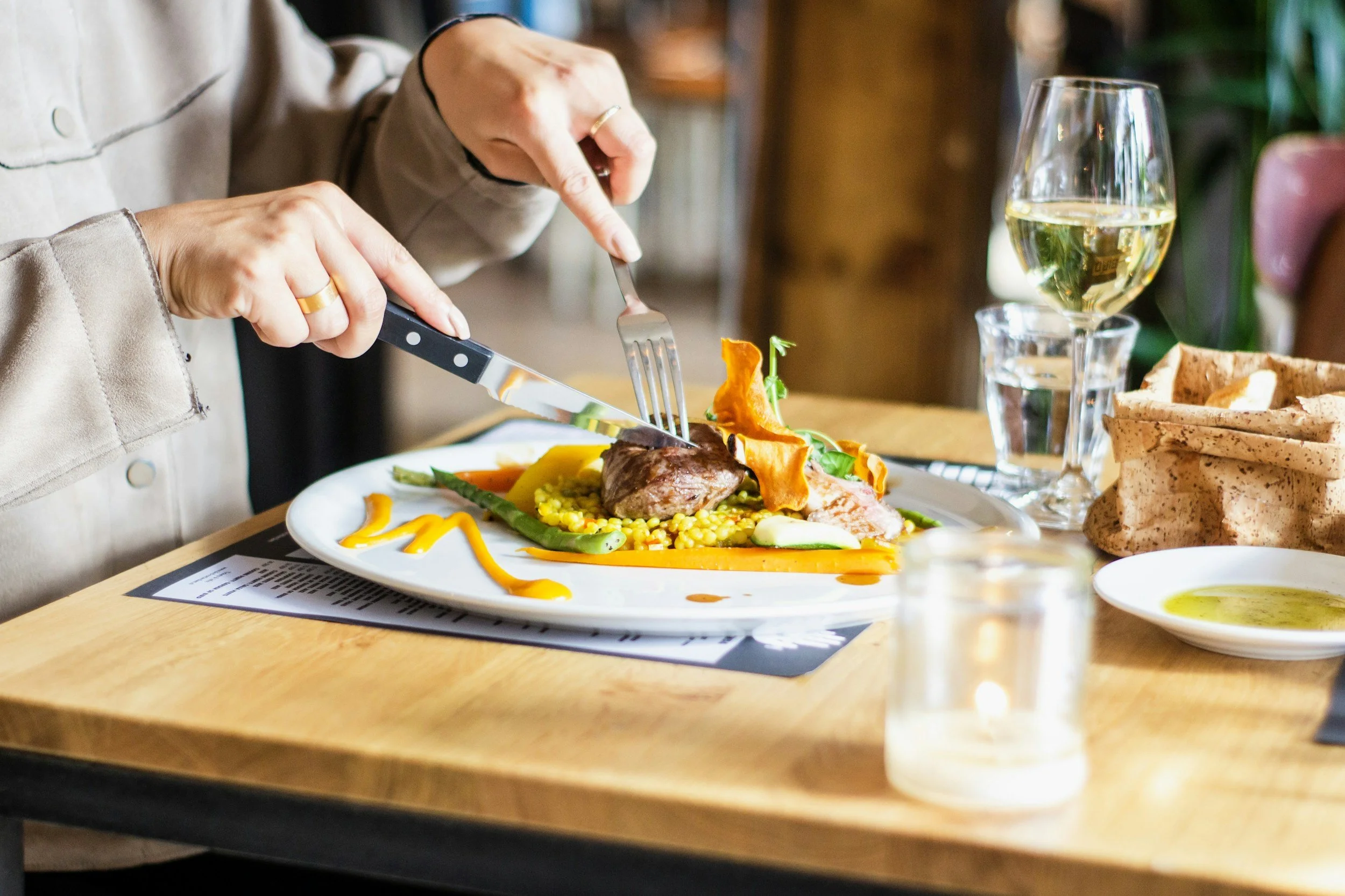
Japan: Respect, Ritual, and No Wasted Food
Dining in Japan comes with a few customs that are worth knowing. Before you eat, it's customary to say 'itadakimasu,' which is a humble expression of gratitude for the meal. When you're finished, 'gochisosama deshita' expresses thanks for what you've received. Neither is required of tourists, but both are appreciated.
Tipping is not just unnecessary in Japan, it's actively considered rude in most contexts. Leave the exact amount shown on the bill and no more. Loud conversation, passing food between chopsticks directly, and sticking chopsticks upright in rice are all considered impolite, the last two for specific cultural reasons rooted in funeral customs.
Pro Tip: In ramen and noodle shops, slurping is completely normal and is generally understood as a sign that you're enjoying the food. Don't hold back.
Italy: Meals Are Sacred, Don't Rush Them
Italy takes its food culture seriously, and the meal is genuinely treated as an event rather than a fuel stop. Showing up at a trattoria and asking for your bill the moment you finish eating is considered abrupt. Restaurants expect you to linger, and good service in Italy means not hovering or rushing you. You'll often need to ask for the bill, 'il conto, per favore.'
A few other things to know: cappuccino is a morning drink, and ordering one after dinner is a reliable way to mark yourself as a tourist. Bread is typically eaten alongside the meal, not before. And splitting dishes between diners at formal restaurants is unusual, though it's more accepted in casual settings.
Watch Out For: Many restaurants in Italy, particularly in tourist areas, charge a coperto, which is a small per-person cover charge that appears on your bill. It's legal and expected, not a scam.
France: Table Manners and the Art of the Meal
French dining culture is slower and more formal than many travelers expect. Lunch can easily last two hours. Dinner often runs three. This is intentional. Food is taken seriously, conversation is part of the experience, and nobody is in a hurry.
Bread is placed directly on the table, not on a side plate, which surprises many visitors. Both hands should be visible on the table, though elbows on the table is still considered impolite. Finishing everything on your plate is generally seen as a compliment to the kitchen.
Tipping in France is not obligatory, since service is included in the bill by law, but leaving a small amount, typically rounding up or leaving a few euros, is appreciated for good service.
Spain: Late Nights and Shared Plates
Dining in Spain operates on a completely different clock from most of the rest of Europe. Lunch, the main meal of the day, typically runs from 2pm to 4pm. Dinner rarely starts before 9pm, and many Spaniards don't sit down until 10 or 10:30pm. Restaurants before 8pm are often empty except for tourists.
Sharing dishes is very much part of the culture, especially in the context of tapas. Ordering several small plates for the table to share is the norm rather than each person ordering a single entree. In pintxos bars in the Basque Country, you take what you want from the bar and settle up at the end based on the number of toothpicks on your plate.
Thailand: Street Food, Community, and Chopstick Customs
Thai food culture is relaxed and welcoming. Meals are almost always shared, with multiple dishes ordered for the table. It's common to order more food than you might think you need and share everything. Finishing everything on the table is a compliment; leaving a little is also acceptable and shows you've been adequately fed.
Chopsticks in Thailand are used primarily for noodle dishes. Fork and spoon are the standard utensils for most meals, with the fork used to push food onto the spoon rather than to put directly in the mouth. Street food is an essential part of the culture and is generally very safe and extraordinarily delicious.
USA: Tipping Culture and How It Works
For international visitors to the United States, tipping culture is one of the most confusing aspects of dining. In American restaurants, a tip of 18 to 20 percent of the pre-tax bill is standard for table service and reflects the fact that servers' wages are structured around the expectation of tips. A tip below 15 percent is generally interpreted as a signal of dissatisfaction.
Tipping at the bar, in cafes, and for counter service has become more common with the rise of digital payment systems that prompt for a tip at checkout. In these contexts, there's less firm expectation, but tipping a dollar or two per drink at a bar is customary.
Frequently Asked Questions About Dining Etiquette
Is it rude to ask for changes to a dish in restaurants abroad?
It depends on the country and the restaurant. In the US and UK, customization is routine and expected. In France and Japan, asking for significant changes to a dish can be seen as questioning the chef's judgment. A polite mention of a dietary restriction is usually handled graciously anywhere; asking for a full reinterpretation of a dish is different.
How do I know if a service charge is already included in the bill?
In many European countries, including France, service is included by law and will appear on your bill. In the UK, a discretionary service charge of 12.5 to 15 percent is common and will typically be noted on the menu. In the US, service is almost never included automatically. When in doubt, ask.
What's the polite way to decline food you don't want at a dinner?
A small amount on the plate and a polite 'thank you' usually communicates appreciation without offense. In cultures where food is deeply tied to hospitality, a complete refusal can feel more pointed than a partial acceptance.
Should I research dining customs before every trip?
A quick ten-minute read about tipping norms and a few cultural basics is always time well spent. You don't need to become an expert, but knowing the basics, whether tipping is expected, whether meals are shared, what time people actually eat, will make your dining experiences noticeably more comfortable and enjoyable.
Final Thoughts
Every country has its own relationship with food and the table, and learning a little about it before you arrive is one of the simplest ways to travel more respectfully and eat more authentically. The customs that seem strange at first often reflect something real and meaningful about the culture they come from.
If you're planning a trip and want to know what to expect at the table, reach out to our team at Lunaire Traveler. We love these conversations, and we love helping travelers show up ready to enjoy every meal.
