
How to Find the Best Local Restaurants When You Travel
You've probably been there. You're in a beautiful city, hungry, and you end up at a restaurant with a laminated photo menu and a host standing outside waving at you. The food arrives fast. It's fine. And somewhere a few streets away, a local spot with handwritten specials and a two-hour wait list is doing something extraordinary that you'll never get to try.
Finding genuinely good food while traveling is one of the most rewarding parts of the experience. It's also one of the things travelers get wrong most often, because the easiest options and the best options rarely overlap.
The good news is that with a little bit of know-how, you can eat incredibly well almost anywhere in the world. Here's how we approach it at Lunaire Traveler, and what we've learned from eating our way through dozens of countries.
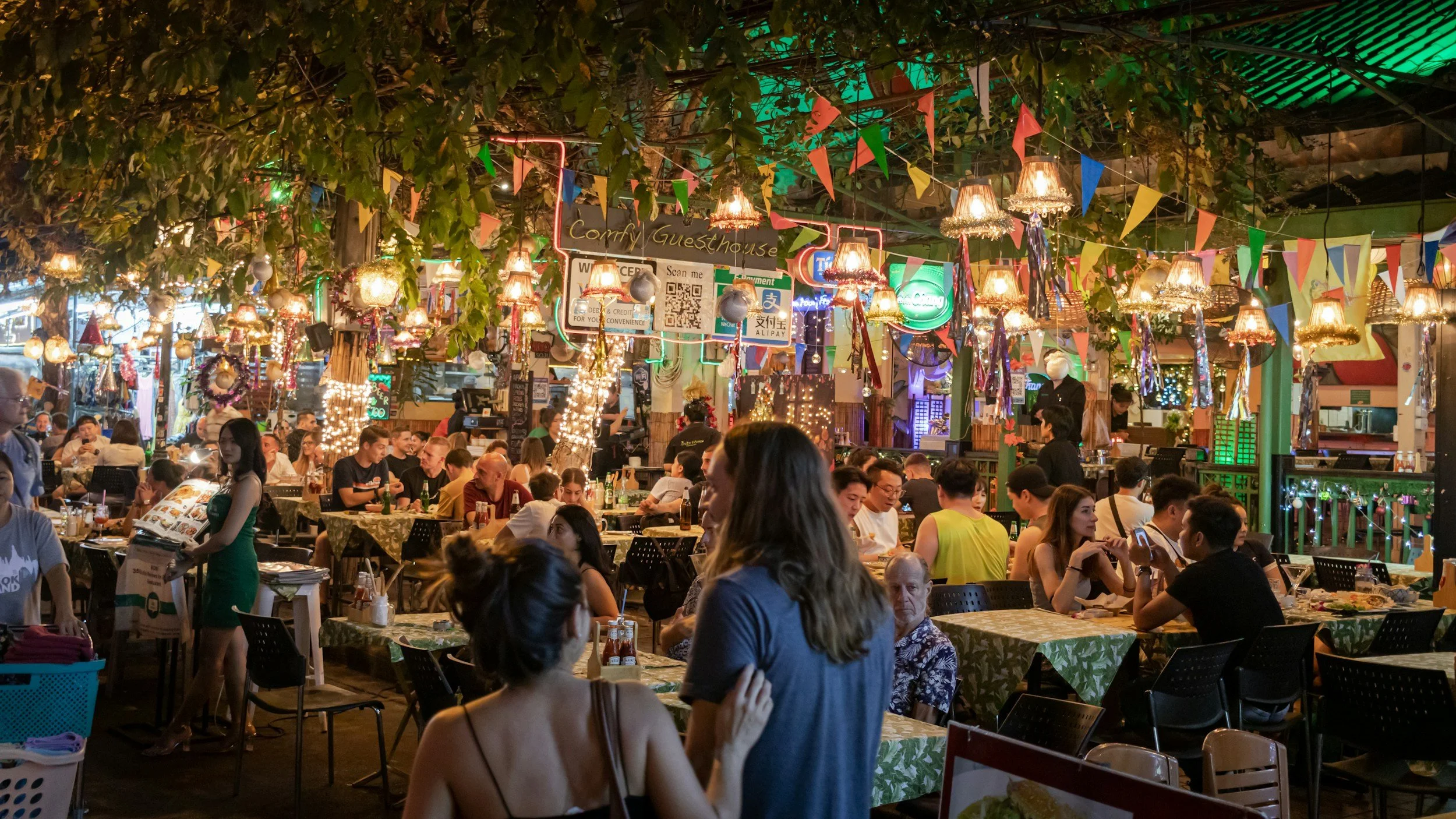
Why Eating Local Matters More Than You Think
Food is one of the most direct windows into a culture. The way a place grows, seasons, cooks, and shares food tells you something real about its history, its geography, and the way people there live their lives. A family-run trattoria in Bologna or a night market stall in Chiang Mai will give you more insight into a destination than almost any museum could.
Beyond the cultural dimension, local restaurants almost always offer better value. The places that cater primarily to tourists tend to charge more, use lower-quality ingredients, and rely on reputation rather than repeat business. The spots that locals return to week after week have a completely different incentive structure. They have to be good.
How to Find Great Local Restaurants Before You Arrive
Do your research from the right sources
Not all review platforms are created equal. For genuinely local recommendations, look beyond the big international review sites and seek out local food blogs, regional newspapers, and city-specific food publications. Many cities have dedicated food writers or community-driven dining guides that will point you toward places that don't show up in the first page of generic search results.
It's also worth paying attention to chef-focused coverage. If a restaurant appears in a respected culinary magazine or has been mentioned by a chef you admire, that's often a stronger signal of quality than volume of reviews.
Ask the hotel, but ask smart
Your hotel concierge can be a genuinely useful resource, but you need to ask the right question. Instead of 'where should I eat tonight?', try 'where do you actually eat when you're not working?' or 'what's the neighborhood spot that locals love but tourists never find?' The second type of question usually gets a more honest, more interesting answer.
Pro Tip: Ask hotel housekeeping or front desk staff rather than the concierge. They're less likely to be recommending partners and more likely to point you to where they actually eat.
How to Find Great Restaurants Once You're There
Walk the neighborhoods, not the tourist corridors
The best eating neighborhoods in any city are usually a 10 to 15 minute walk from the main attractions. In Rome, walk north of the Pantheon into the residential streets. In Tokyo, explore the covered shotengai shopping arcades in residential areas. In Paris, wander into the 11th or 20th arrondissement rather than staying around the Marais.
When you're in a residential neighborhood, look at where people are actually sitting. If a place has a mix of ages, families, older locals, people on lunch breaks, that's a very good sign. If the clientele is almost entirely tourists with luggage and selfie sticks, keep walking.
Look at the menu before you sit down
A few things on a menu can tell you a lot, quickly. A menu in five languages with photographs of every dish is a reasonable sign that the kitchen is more focused on volume than quality. A handwritten daily special or a short, focused menu that changes with the season usually indicates a kitchen that's doing something more intentional. Short menus tend to mean fresher ingredients and more focused cooking.
Watch Out For: Restaurants right next to major landmarks almost always charge more and deliver less. Give yourself permission to walk one or two blocks further for significantly better food.
Using Technology Smartly
Survey data consistently shows that most travelers use Google as their primary tool for finding restaurants, which is fine, but the results are heavily influenced by paid placement and review volume rather than quality. A few adjustments help a lot.
Filter by 'local favorites' or sort by rating with a minimum number of reviews set high enough to filter out obvious tourist traps. Look at what reviewers specifically mention about the food rather than just the overall score. And pay attention to the most recent reviews, since restaurants can change significantly when ownership changes.
Social media, particularly Instagram and TikTok, has become a genuine tool for food discovery in the 25 to 35 age group. Searching a city's name alongside food-related hashtags often surfaces restaurants that haven't been heavily covered by traditional media yet, which can work in your favor.
Frequently Asked Questions About Finding Good Restaurants While Traveling
Is it worth booking restaurant reservations before a trip?
For the most popular restaurants in major food cities, absolutely. Half of global travelers now book restaurant reservations before they book their flights, according to recent travel surveys. If there's a specific place you really want to try, don't leave it to chance.
How do I find vegetarian or dietary-specific restaurants in an unfamiliar city?
Dedicated apps and websites for dietary-specific dining have gotten much better in recent years. Searching specifically for your dietary need alongside the city name tends to surface community-reviewed options that are genuinely reliable. When in doubt, cuisines like Japanese, Indian, Thai, and Mediterranean tend to offer the most natural variety for plant-based or allergy-conscious travelers.
Should I trust restaurant recommendations from hotel staff?
Often yes, but with some calibration. Front desk and housekeeping staff tend to give more personal, less commercially influenced recommendations. Concierges at larger hotels sometimes have referral relationships with certain restaurants, so it's always worth asking a follow-up question or two to gauge how personal the recommendation actually is.
What time should I eat to get the most authentic local experience?
This varies a lot by country. In Spain and Argentina, dinner before 9 or 10pm is considered early. In France, lunch is often the main event. In Southeast Asia, street food culture means breakfast can be one of the best meals of the day. Eating at local mealtimes rather than tourist hours is one of the simplest ways to have a more genuine experience.
Final Thoughts
Great local restaurants are almost everywhere, in every city, every country, at every budget level. The main thing standing between you and them is usually the path of least resistance, which is almost never the best option.
Walk a little further, ask a more specific question, look past the first result. The rewards are worth it. And if you'd like a personalized recommendation for your next destination, reach out to our team at Lunaire Traveler. This is exactly what we love to help with.
