
What Are the Best Places to Visit in Europe?
You've been dreaming about Europe. Maybe it's the cobblestone streets you've seen in movies, or that Instagram post of sunset over the Mediterranean, or just the way people talk about their trips with this faraway look in their eyes. Whatever sparked it, you're here now, and you're wondering: where should you actually go?
Europe isn't just one destination. It's dozens of countries, hundreds of cities, and thousands of little villages that could each fill a week of your time. That's exciting, but it can also feel overwhelming when you're trying to plan your first trip or your next adventure.
The good news? Europe has something for everyone. Beach lovers, history buffs, food obsessives, mountain hikers, art enthusiasts. The better news? You don't need to see it all in one trip. You just need to find the places that match what you're looking for right now.
In this guide, we'll walk through some of Europe's most rewarding destinations for 2025. We're not just listing the usual suspects. We're sharing places where the hotels feel special, where the restaurants serve food you'll remember, and where you'll feel like a traveler, not a tourist.
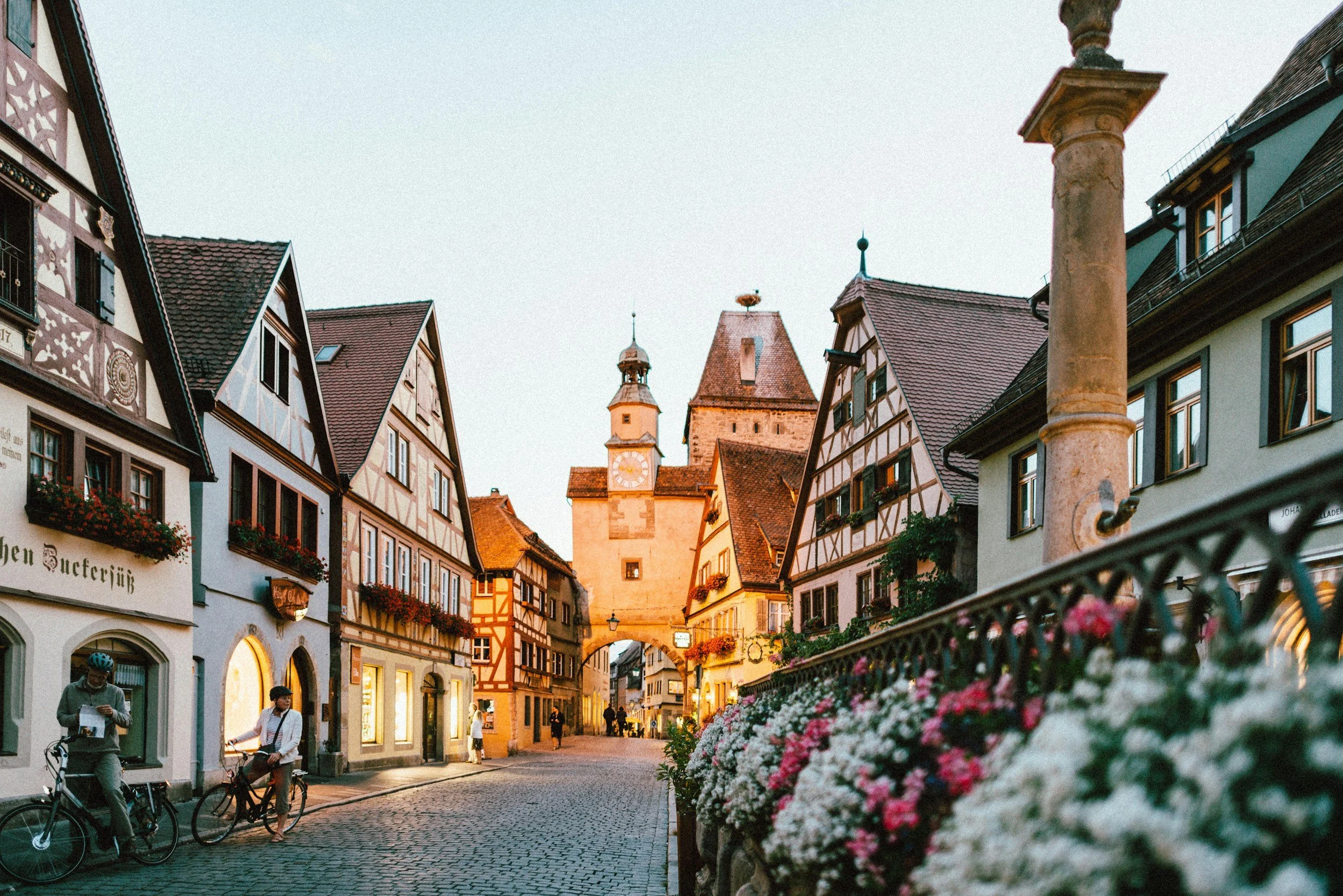
Classic European Destinations That Still Deliver
Some places become popular for a reason. They've got the history, the culture, the food, and the infrastructure to make your trip smooth and memorable.
Paris, France
Paris remains one of Europe's most magnetic cities. Yes, it's crowded. Yes, it can be expensive. But there's a reason people keep coming back.
The City of Light blends museum-quality art, elegant boulevards, and some of the world's best restaurants into one walkable package. You'll find everything from Michelin-starred temples of gastronomy to cozy bistros where locals gather for long lunches. The 2025 dining scene continues to evolve with spots like Verjus offering incredible farm-to-table tasting menus and neighborhood gems like Mokonuts serving creative international cuisine in intimate settings.
For hotels, Paris offers everything from historic grand dames to boutique hideaways in neighborhoods like Le Marais and Saint-Germain-des-Prés. Spring (April through June) and fall (September through October) give you the best weather without the peak summer crowds.
Rome, Italy
Rome isn't just a city. It's a living museum where ancient ruins sit next to Renaissance churches and modern life pulses through it all.
The food alone justifies the trip. This is where you'll taste real carbonara made with guanciale and pecorino, not cream. You'll find family-run trattorias that have been perfecting their recipes for generations, and newer spots where chefs are reimagining Roman classics. Places like Luciano Monosilio's restaurant near Campo de' Fiori are redefining what Roman cuisine can be.
Rome works year-round, though summer can be brutally hot. Consider visiting in spring or fall when temperatures are mild and the city feels more manageable.
Lisbon, Portugal
Lisbon has grown from regional gem to one of Europe's most sought-after destinations, and for good reason. The Portuguese capital offers incredible value compared to other Western European cities, with world-class hotels, innovative restaurants, and stunning coastal views.
The 2025 MICHELIN Guide awarded Keys to 55 hotels in Portugal, with several spectacular properties in Lisbon itself. The city blends historic neighborhoods like Alfama with modern design, excellent wine culture, and proximity to beaches. You'll find boutique hotels tucked into 18th-century townhouses and contemporary spots with rooftop pools overlooking the Tagus River.
The food scene ranges from traditional tascas serving petiscos (Portuguese tapas) to cutting-edge restaurants earning international recognition. And everything costs noticeably less than Paris or Rome.
Hidden Gems Gaining Recognition
These destinations offer authentic European experiences without the overwhelming crowds of the big-name cities.
Budapest, Hungary
Budapest delivers stunning architecture, thermal baths, and rich culture at prices that feel like a time machine back to when travel was affordable.
The Hungarian capital straddles the Danube River, with Buda's historic Castle District on one side and Pest's grand boulevards on the other. You'll find excellent restaurants pairing creative Hungarian cuisine with local wines, comfortable hotels in historic buildings, and thermal baths where you can soak away jet lag.
Budapest excels at blending old and new. You can explore centuries-old ruin bars in the evening and dine at Michelin-starred restaurants serving innovative takes on traditional dishes.
Bergen, Norway
Bergen offers something different. This Norwegian coastal city combines fairy-tale wooden architecture with access to some of Europe's most dramatic natural scenery.
The colorful houses of Bryggen Wharf (a UNESCO World Heritage site) line the harbor, while fjords and mountains surround the city. Bergen works beautifully as a base for exploring Norway's natural wonders, and the city itself offers excellent seafood restaurants and boutique hotels with character.
Spring through early fall gives you the longest days and best weather for outdoor exploration.
Matera, Italy
Matera represents one of Southern Italy's most unique destinations. This ancient city in Basilicata features cave dwellings (sassi) that have been transformed into atmospheric hotels and restaurants.
Walking through Matera feels like stepping back in time, but the accommodations and dining are thoroughly modern. Cave hotels offer luxury with an atmosphere you can't replicate anywhere else, while restaurants serve handmade pasta and local wines from the region.
Matera works year-round, though early morning or twilight gives you the most magical light for experiencing the city.
Coastal Escapes for Beach and Culture
Sometimes you want both the cultural richness of Europe and the ability to sink your toes in the sand.
Dubrovnik, Croatia
Dubrovnik combines a stunning walled Old Town with access to beautiful Adriatic beaches. The "Pearl of the Adriatic" offers medieval architecture, excellent seafood, and clear blue waters.
While summer brings crowds, spring and fall offer pleasant weather with fewer people. The city's hotels range from historic properties within the walls to modern resorts along the coast.
Istria, Croatia
For a less crowded alternative to Dubrovnik, consider Istria. This Croatian peninsula offers romantic coastal towns like Rovinj, beautiful beaches, and a hinterland that feels remarkably similar to Tuscany, complete with wine hills and excellent restaurants.
Istria excels at outdoor activities. You can kayak, bike, hike, and still enjoy excellent food and comfortable accommodations.
Algarve, Portugal
Portugal's southern coast delivers reliable sunshine, dramatic cliffs, and excellent resorts. The Algarve offers everything from family-friendly beaches to secluded coves, with charming towns and world-class golf courses.
Hotels here range from luxurious resorts to boutique hideaways, many offering direct beach access and excellent restaurants serving fresh seafood.
Mountain and Nature Destinations
Not every European trip needs to be about cities and beaches.
Slovenia
Slovenia continues to fly under the radar despite having nearly everything: the charming capital of Ljubljana, the idyllic lakes of Bled and Bohinj, the dramatic peaks of Triglav National Park, and a small stretch of Adriatic coastline.
The country works beautifully for active travelers who want hiking, cycling, and outdoor adventures combined with comfortable hotels and excellent food. Slovenia's restaurants showcase local ingredients and wines, while Ljubljana offers a vibrant café culture and welcoming atmosphere.
Scottish Highlands
The Scottish Highlands deliver dramatic landscapes, historic castles, and some of Europe's finest whisky distilleries. You'll find remote hotels with world-class restaurants, hiking trails through ancient landscapes, and a warm welcome in small villages.
Spring through early fall offers the best weather, though each season brings its own character to these rugged landscapes.
Eastern European Discoveries
Eastern Europe offers rich history, vibrant culture, and exceptional value.
Gdańsk, Poland
Gdańsk combines medieval architecture with important 20th-century history. The colorful buildings along the main market square, the historic port crane, and museums exploring World War II and the Solidarity movement make this Polish city compelling for history enthusiasts.
Polish cuisine deserves more attention than it gets. You'll find pierogi, żurek soup, and regional specialties served in atmospheric restaurants. Gdańsk also offers easy access to nearby beaches in Sopot.
Prague, Czech Republic
Prague remains one of Europe's most beautiful cities, with Gothic spires, baroque churches, and a lively cultural scene. While the Old Town can feel crowded, Prague offers excellent hotels at reasonable prices, a thriving café culture, and restaurants serving both traditional Czech dishes and innovative international cuisine.
The city works wonderfully year-round, though spring and fall offer the most pleasant weather without the peak crowds.
Practical Considerations for Your European Trip
When to Visit Europe
Spring (April through June) and fall (September through October) offer the sweet spot for most European destinations. You'll get pleasant weather, fewer crowds than summer, and often better prices on hotels.
Summer (July and August) means peak season almost everywhere. Expect higher prices and more tourists, though longer days and warmer weather make beach destinations particularly appealing.
Winter brings Christmas markets, winter sports, and off-season prices. Many coastal destinations close or reduce services, but cities remain fully operational.
How to Choose Your Destination
Think about what matters most to you. Are you a food-focused traveler? Then Italy, France, and Portugal should be high on your list. Love outdoor activities? Consider Slovenia, Norway, or the Scottish Highlands. Want affordable luxury? Budapest, Lisbon, and Croatia deliver exceptional value.
Consider your travel style too. Some people thrive on packed itineraries hitting multiple cities. Others prefer staying in one place and really getting to know it. Both approaches work in Europe.
Budget Considerations
Western European cities like Paris, London, and Zurich will test your budget. You'll pay premium prices for hotels and restaurants.
Southern and Eastern European destinations like Lisbon, Budapest, and Gdańsk offer much better value. You can stay in excellent hotels and eat at top restaurants for half what you'd pay in Paris.
That doesn't mean you should skip expensive destinations. Just plan accordingly and look for ways to balance your budget across your trip.
Where Lunaire Traveler Can Help
At Lunaire Traveler, we specialize in finding the hotels and restaurants that transform good trips into unforgettable ones. Whether you're looking for a boutique hotel with character in Lisbon, a family-run trattoria in Florence, or a design-forward retreat in the Norwegian fjords, we've done the research.
We focus on what actually matters to travelers: comfort, quality, and feeling genuinely welcome. Our team has personally visited these destinations, stayed in these hotels, and eaten at these restaurants. We know which places deliver on their promises and which ones are all marketing.
Frequently Asked Questions
What is the best time of year to visit Europe?
Spring (April to June) and fall (September to October) typically offer the best combination of pleasant weather, fewer crowds, and reasonable prices. Summer brings peak season with higher costs and more tourists, while winter works well for city breaks, Christmas markets, and winter sports.
How many days do I need for a European trip?
For a single city, plan at least three to four days. A two-week trip allows you to comfortably explore two or three destinations. If you're doing a longer European adventure, consider spending at least four to five days in each major city to really experience it properly.
Which European destination offers the best value?
Eastern European cities like Budapest, Gdańsk, and Prague offer excellent value, as do Portuguese destinations like Lisbon and Porto. You'll find quality hotels, great restaurants, and rich cultural experiences at prices significantly lower than Western European capitals.
Do I need to speak the local language?
English is widely spoken in major tourist areas across Europe. That said, learning a few basic phrases in the local language shows respect and can enhance your experience. Hotel staff and restaurant workers in popular destinations typically speak English well.
Planning Your European Adventure
Europe rewards travelers who do a bit of planning without over-scheduling every moment. Pick your destinations based on what genuinely interests you, not just what's supposed to be on every itinerary.
Book your hotels early, especially if you're traveling during peak season. The best boutique properties and characterful hotels fill up quickly. Make restaurant reservations for anywhere you're particularly excited about.
But leave room for spontaneity. Some of the best travel moments come from wandering down an unexpected street, discovering a neighborhood café, or following a local's recommendation.
Europe has been welcoming travelers for centuries. The cities, villages, hotels, and restaurants know how to make visitors feel at home. You just need to choose where you want to go and trust that the experience will be worth it.
Whether you're drawn to Paris's timeless elegance, Rome's layers of history, Lisbon's coastal charm, or Slovenia's natural beauty, Europe offers destinations that can match your travel dreams. The hard part isn't finding somewhere good to go. It's choosing which amazing place to visit first.
Reach out if you want personalized recommendations based on your specific interests and travel style. That's what we're here for. Moments you'll remember, places you'll never forget.
